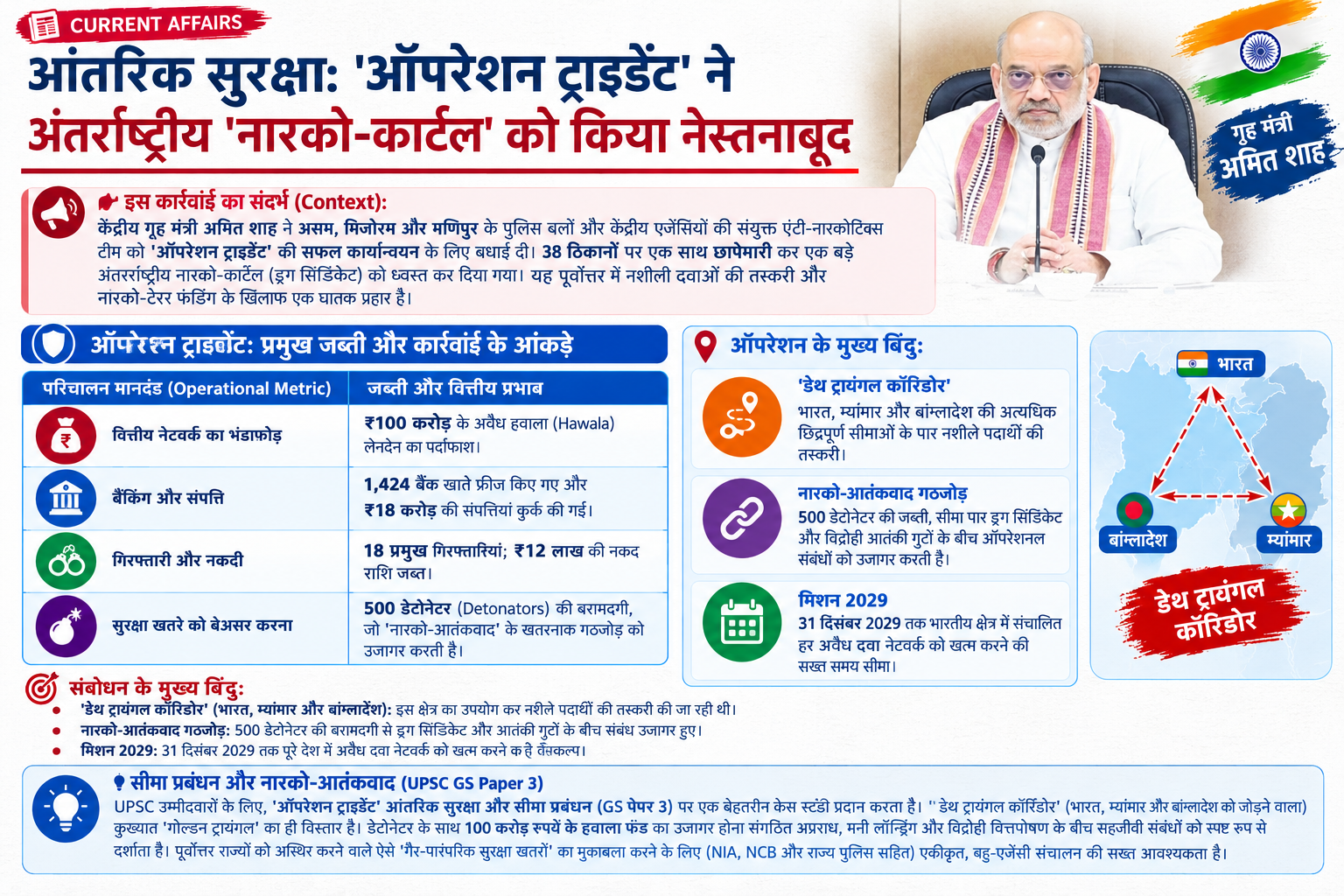
शासन और राजव्यवस्था: सुप्रीम कोर्ट ने मुख्य चुनाव आयुक्त ज्ञानेश कुमार के अंतरिम निलंबन से किया इनकार
05 Oct 2026
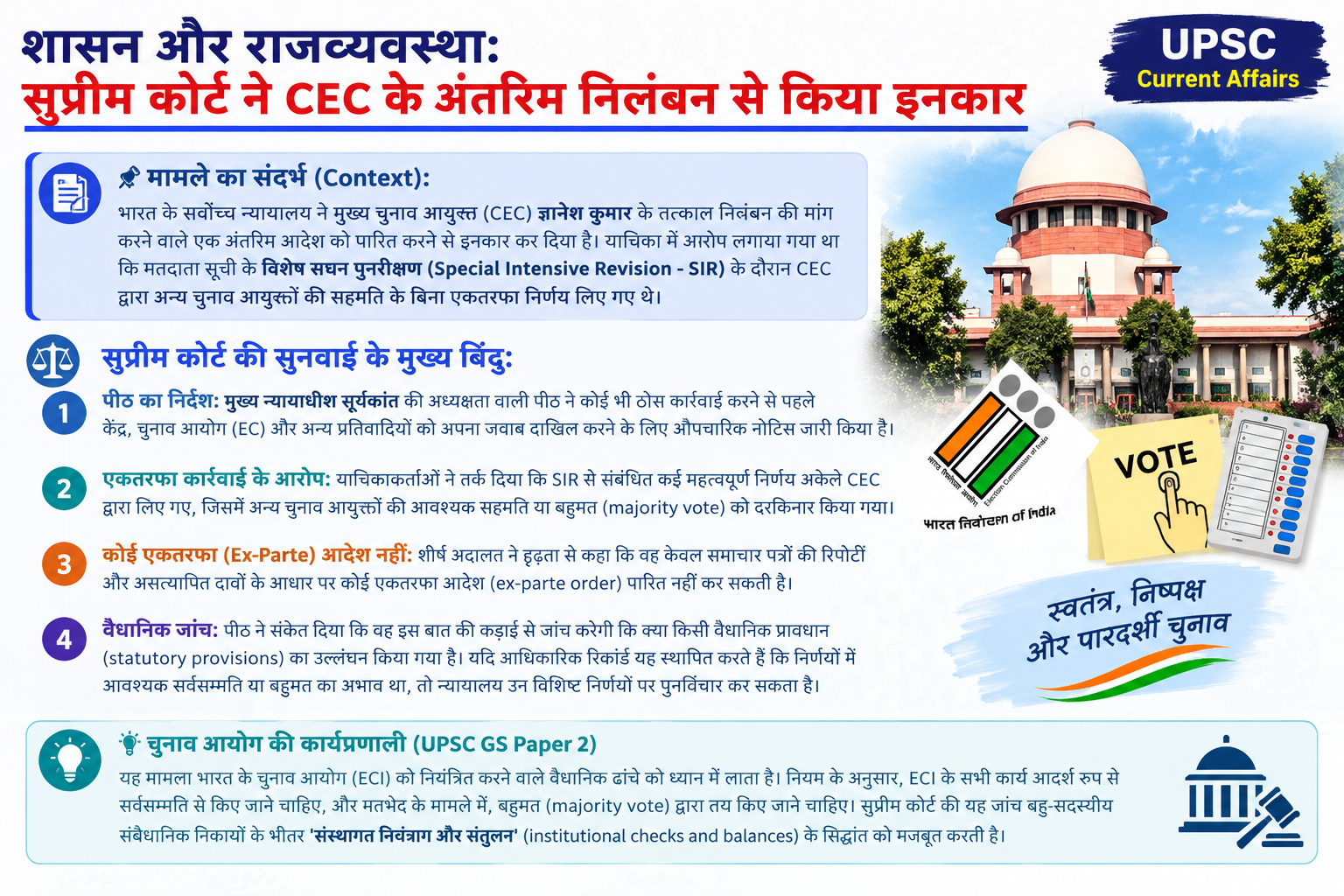
मुख्य न्यायाधीश सूर्यकांत की अध्यक्षता वाली सुप्रीम कोर्ट की पीठ ने चुनाव आयोग में 'एकतरफा निर्णय' लेने के आरोपों पर मुख्य चुनाव आयुक्त (CEC) ज्ञानेश कुमार को निलंबित करने के अंतरिम आदेश को पारित करने से इनकार कर दिया है।
भारत के सर्वोच्च न्यायालय ने मुख्य चुनाव आयुक्त (CEC) ज्ञानेश कुमार के तत्काल निलंबन की मांग करने वाले एक अंतरिम आदेश को पारित करने से इनकार कर दिया है। याचिका में आरोप लगाया गया था कि मतदाता सूची के विशेष सघन पुनरीक्षण (Special Intensive Revision - SIR) के दौरान CEC द्वारा अन्य चुनाव आयुक्तों की सहमति के बिना एकतरफा निर्णय लिए गए थे।
- पीठ का निर्देश: मुख्य न्यायाधीश सूर्यकांत की अध्यक्षता वाली पीठ ने कोई भी ठोस कार्रवाई करने से पहले केंद्र, चुनाव आयोग (EC) और अन्य प्रतिवादियों को अपना जवाब दाखिल करने के लिए औपचारिक नोटिस जारी किया है।
- एकतरफा कार्रवाई के आरोप: याचिकाकर्ताओं ने तर्क दिया कि SIR से संबंधित कई महत्वपूर्ण निर्णय अकेले CEC द्वारा लिए गए, जिसमें अन्य चुनाव आयुक्तों की आवश्यक सहमति या बहुमत (majority vote) को दरकिनार किया गया।
- कोई एकतरफा (Ex-Parte) आदेश नहीं: शीर्ष अदालत ने दृढ़ता से कहा कि वह केवल समाचार पत्रों की रिपोर्टों और असत्यापित दावों के आधार पर कोई एकतरफा आदेश (ex-parte order) पारित नहीं कर सकती है।
- वैधानिक जांच: पीठ ने संकेत दिया कि वह इस बात की कड़ाई से जांच करेगी कि क्या किसी वैधानिक प्रावधान (statutory provisions) का उल्लंघन किया गया है। यदि आधिकारिक रिकॉर्ड यह स्थापित करते हैं कि निर्णयों में आवश्यक सर्वसम्मति या बहुमत का अभाव था, तो न्यायालय उन विशिष्ट निर्णयों पर पुनर्विचार कर सकता है।
यह मामला भारत के चुनाव आयोग (ECI) को नियंत्रित करने वाले वैधानिक ढांचे को ध्यान में लाता है। नियम के अनुसार, ECI के सभी कार्य आदर्श रूप से सर्वसम्मति से किए जाने चाहिए, और मतभेद के मामले में, बहुमत (majority vote) द्वारा तय किए जाने चाहिए। सुप्रीम कोर्ट की यह जांच बहु-सदस्यीय संवैधानिक निकायों के भीतर 'संस्थागत नियंत्रण और संतुलन' (institutional checks and balances) के सिद्धांत को मजबूत करती है।
Governance & Polity: Supreme Court Refuses Interim Suspension of CEC Gyanesh Kumar
05 Oct 2026
The Supreme Court, led by Chief Justice Surya Kant, declined to pass an ex-parte interim order to suspend CEC Gyanesh Kumar over allegations of unilateral decision-making regarding the Special Intensive Revision (SIR) of electoral rolls.
The Supreme Court of India declined to pass an interim order seeking the immediate suspension of Chief Election Commissioner (CEC) Gyanesh Kumar. The plea alleged unilateral decision-making by the CEC within the Election Commission during the Special Intensive Revision (SIR) of electoral rolls, allegedly bypassing other Election Commissioners.
- Bench's Directive: A bench headed by Chief Justice Surya Kant issued formal notices to the Centre, the Election Commission, and other respondents to submit their responses before taking any substantive action.
- Allegations of Unilateral Action: The petitioners contended that several critical decisions related to the SIR were executed by the CEC alone, without the requisite concurrence or majority vote of the other Election Commissioners.
- No Ex-Parte Orders: The Apex Court firmly observed that it cannot pass an ex-parte order (a decision made without hearing the other side) based solely on newspaper reports and unverified claims.
- Statutory Scrutiny: The bench indicated that it will strictly examine whether any statutory provisions were violated. If official records establish that decisions lacked the required unanimity or majority, the Court noted that those specific decisions could be subject to reconsideration.
This case brings into focus the statutory framework governing the Election Commission of India (ECI). As per The Election Commission (Conditions of Service of Election Commissioners and Transaction of Business) Act, all business of the ECI should ideally be transacted unanimously, and in case of a difference of opinion, by a majority vote. The Supreme Court's scrutiny reinforces the principle of institutional checks and balances within multi-member constitutional bodies.
Trending Current Affairs
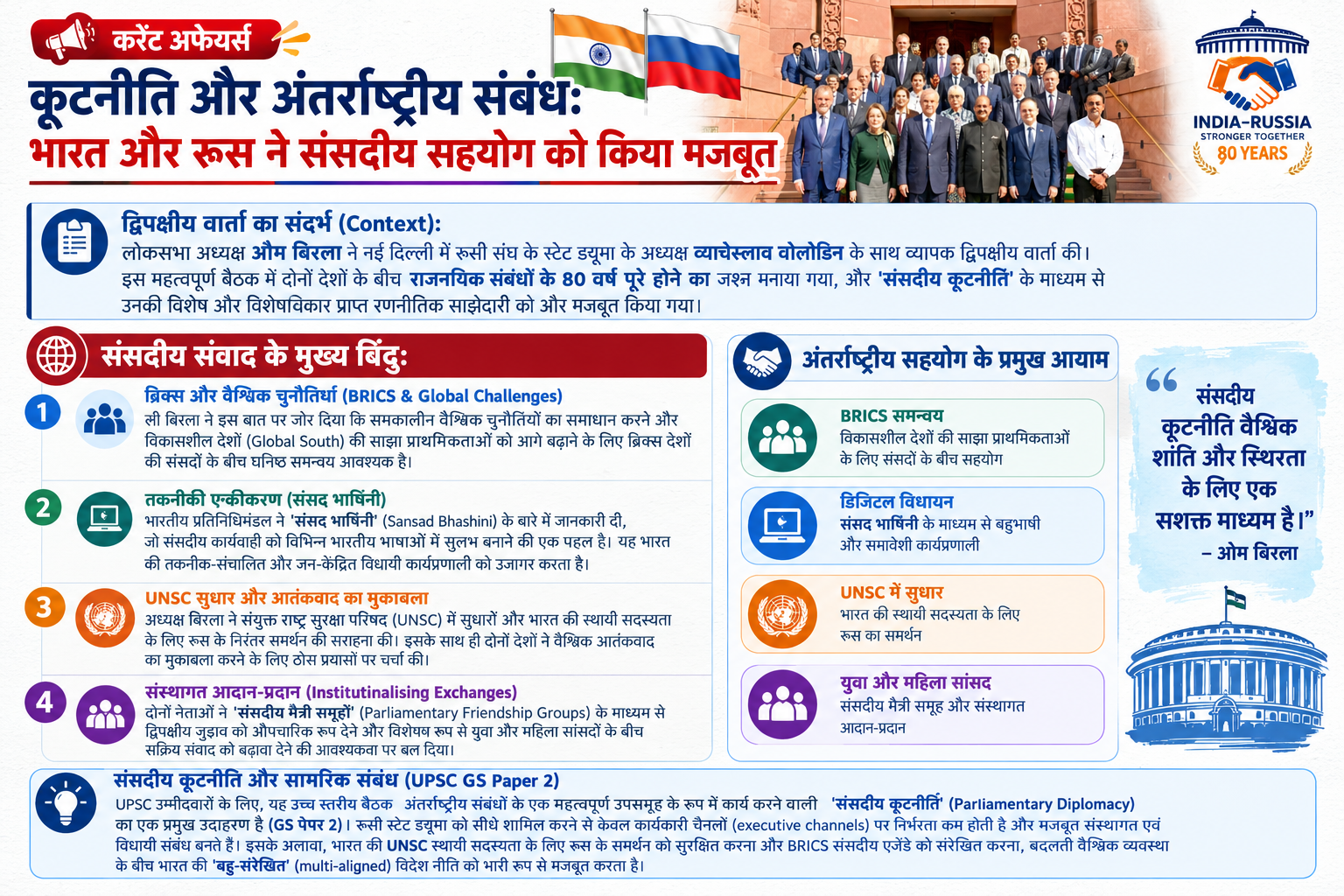
कूटनीति और अंतर्राष्ट्रीय संबंध: लोकसभा अध्यक्ष ओम बिरला और रूसी स्टेट ड्यूमा के अध्यक्ष के बीच द्विपक्षीय वार्ता
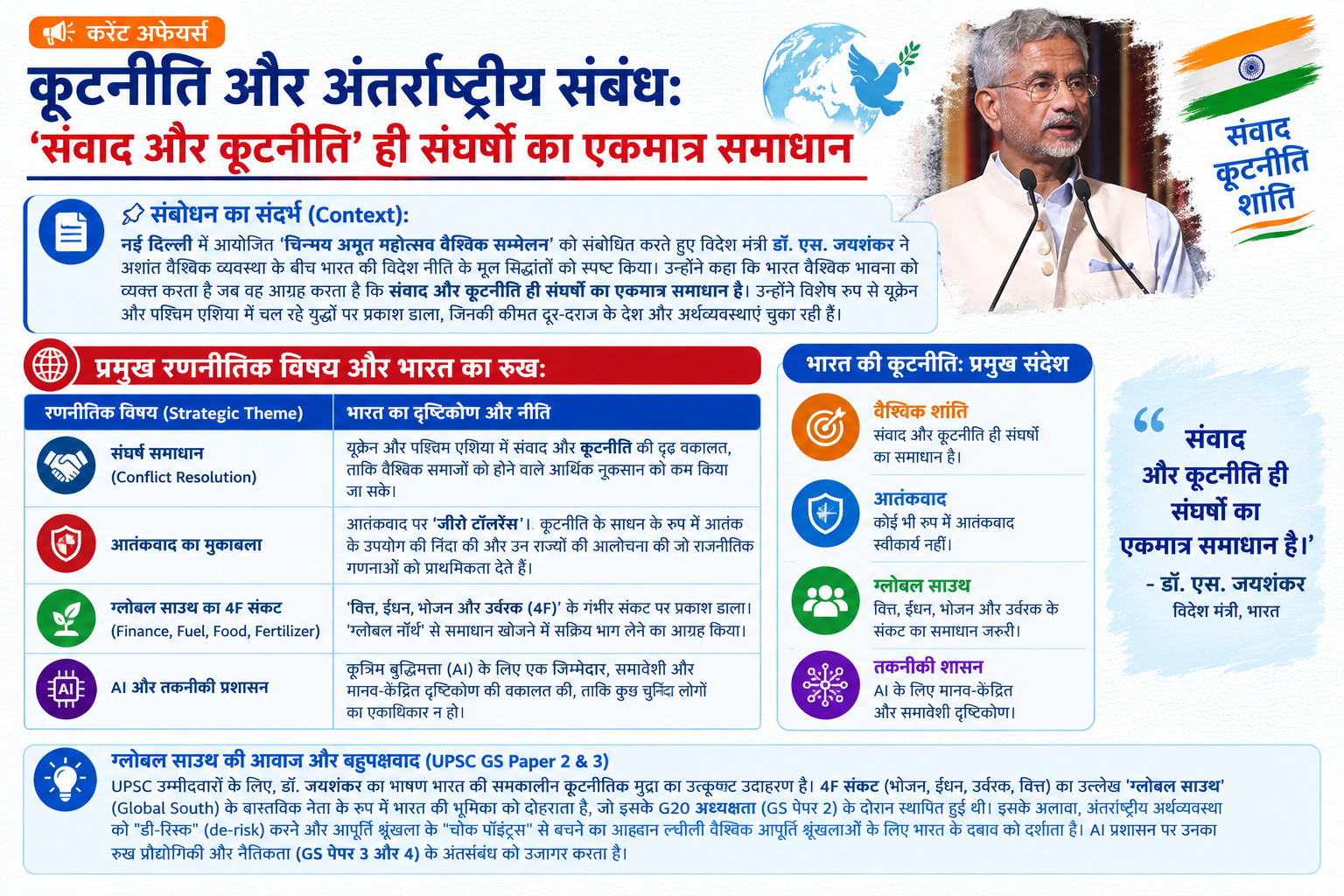
कूटनीति और अंतर्राष्ट्रीय संबंध: 'संवाद और कूटनीति' ही वैश्विक संघर्षों का एकमात्र समाधान - विदेश मंत्री जयशंकर