जनहित याचिका (PIL) पर बहस: क्या भारत में PIL के नियमों पर पुनर्विचार होना चाहिए?
01 May 2026
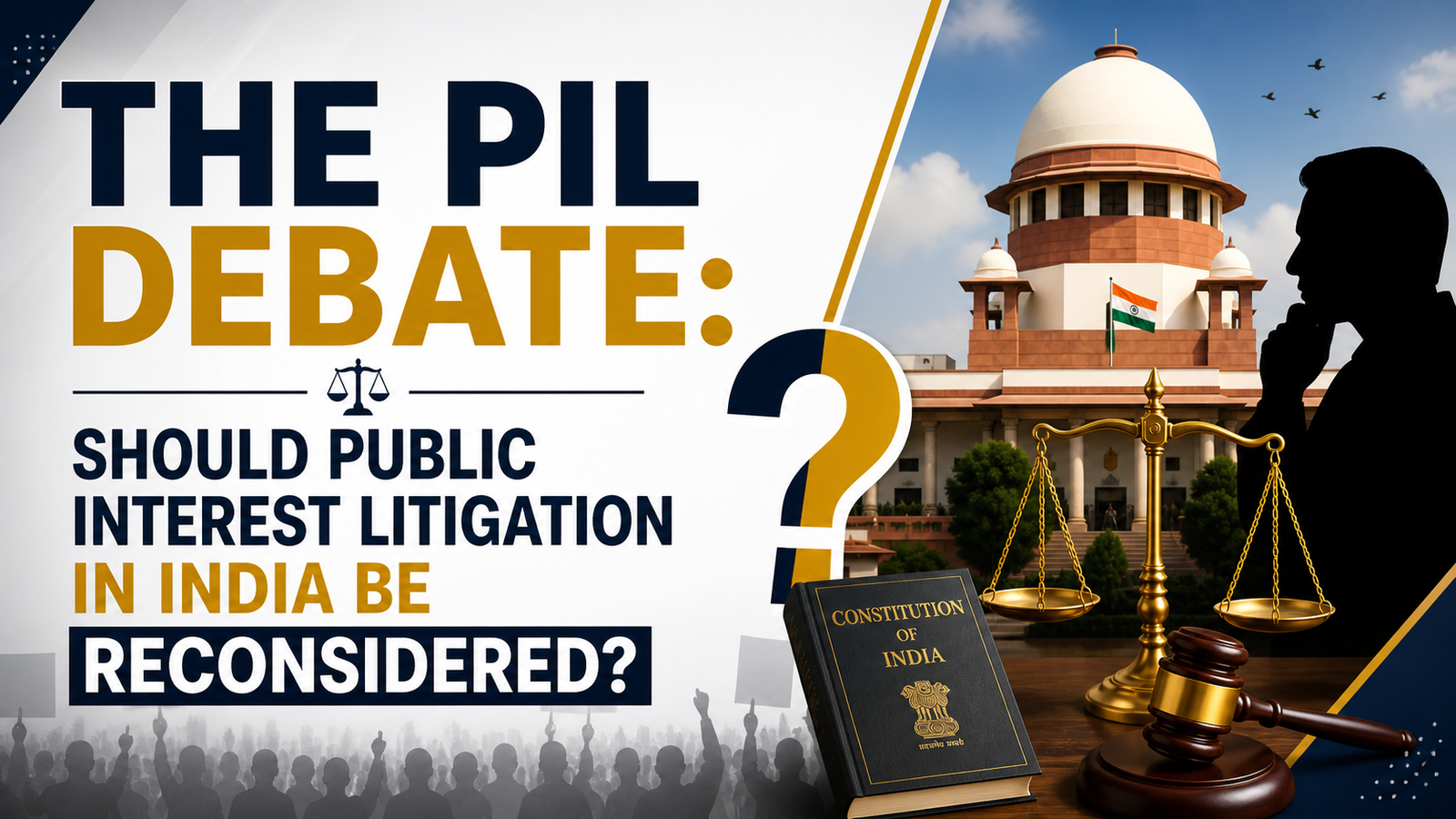
दिया गया पाठ भारत में जनहित याचिका (PIL) के ढांचे पर पुनर्विचार करने की आवश्यकता के विषय में कानूनी विशेषज्ञों अनुज भुवानिया और तल्हा अब्दुल रहमान के बीच की एक चर्चा है। वे इस बात पर बहस करते हैं कि क्या जनहित याचिकाएं हाशिए पर रहने वाले लोगों को न्याय दिलाने के अपने मूल उद्देश्य से भटक गई हैं। चर्चा के मुख्य मुद्दों में याचिका दायर करने का अधिकार (locus standi), न्यायिक अतिक्रमण (judicial overreach) के जोखिम, तुच्छ याचिकाओं (ambush PILs) के माध्यम से सिस्टम का दुरुपयोग, अदालती आदेशों को लागू करने में चुनौतियां और 'एमिकस क्यूरी' (न्याय मित्र) की भूमिका के लिए स्पष्ट दिशानिर्देशों की आवश्यकता शामिल हैं। अंत में, दोनों विशेषज्ञ जनहित याचिकाओं की वैधता और प्रभावशीलता को बहाल करने के लिए आवश्यक सुधारों का सुझाव देते हैं।
जनहित याचिका (PIL) पर बहस: क्या भारत में PIL के नियमों पर पुनर्विचार होना चाहिए?
दिया गया पाठ भारत में जनहित याचिका (PIL) के ढांचे पर पुनर्विचार करने की आवश्यकता के विषय में कानूनी विशेषज्ञों अनुज भुवानिया और तल्हा अब्दुल रहमान के बीच की एक चर्चा है। वे इस बात पर बहस करते हैं कि क्या जनहित याचिकाएं हाशिए पर रहने वाले लोगों को न्याय दिलाने के अपने मूल उद्देश्य से भटक गई हैं। चर्चा के मुख्य मुद्दों में याचिका दायर करने का अधिकार (locus standi), न्यायिक अतिक्रमण (judicial overreach) के जोखिम, तुच्छ याचिकाओं (ambush PILs) के माध्यम से सिस्टम का दुरुपयोग, अदालती आदेशों को लागू करने में चुनौतियां और 'एमिकस क्यूरी' (न्याय मित्र) की भूमिका के लिए स्पष्ट दिशानिर्देशों की आवश्यकता शामिल हैं। अंत में, दोनों विशेषज्ञ जनहित याचिकाओं की वैधता और प्रभावशीलता को बहाल करने के लिए आवश्यक सुधारों का सुझाव देते हैं।
विषय 1: जनहित याचिका (PIL) की मूल अवधारणा और विकास
- उत्पत्ति: गरीबों और हाशिए पर रहने वाले लोगों की न्याय तक पहुंच बढ़ाने के लिए 1970 के दशक में एक परिवर्तनकारी न्यायिक नवाचार के रूप में जनहित याचिकाएं उभरीं।
- तंत्र: अदालतों ने 'लोकस स्टैंडी' (अदालत जाने का अधिकार किसे है) के सख्त नियमों में ढील दी और प्रतिनिधि कार्रवाइयों की अनुमति दी। अदालतों ने सार्वजनिक मुद्दों पर 'स्वत: संज्ञान' (सुओ मोटो) लेना भी शुरू कर दिया।
- वर्तमान बहस: केंद्र सरकार ने हाल ही में तर्क दिया कि जनहित याचिकाएं "एजेंडा-संचालित मुकदमेबाजी" बन गई हैं और सुप्रीम कोर्ट से इसके ढांचे पर पुनर्विचार करने का आग्रह किया है।
विषय 2: सुनवाई का अधिकार (याचिका दायर करने की अनुमति किसे होनी चाहिए?)
- अनुज भुवानिया (AB) इनका तर्क है कि यह मॉडल बहुत व्यापक हो गया है। यह विशिष्ट प्रभावित समूहों का प्रतिनिधित्व करने से हटकर किसी को भी आम नागरिक के रूप में याचिका दायर करने की अनुमति देने लगा है। उनका मानना है कि अधिकार क्षेत्र केवल उन लोगों तक सीमित होना चाहिए जो सीधे तौर पर प्रभावित हैं या जिनका मामले में स्पष्ट हित है।
- तल्हा अब्दुल रहमान (TAR) सुनवाई के अधिकार को सीमित करने से असहमत हैं। उनका तर्क है कि संरचनात्मक बाधाएं आज भी गरीबों को अदालतों तक पहुंचने से रोकती हैं। वह तीसरे पक्ष द्वारा कानून के शासन को बनाए रखने के लिए याचिका दायर करने का समर्थन करते हैं—जैसे राज्य द्वारा दंडात्मक ध्वस्तीकरण (बुलडोजर कार्रवाई) को चुनौती देना—भले ही याचिका दायर करने वाले को व्यक्तिगत रूप से कोई नुकसान न हुआ हो।
विषय 3: जटिल विवाद और न्यायिक अतिक्रमण (Judicial Overreach)
- तल्हा अब्दुल रहमान (TAR) मानते हैं कि यदि सक्षम वकीलों की सहायता मिले, तो अदालतें जटिल मुद्दों को संभालने में सक्षम हैं, लेकिन वे अपनी सीमाएं भी जानती हैं। उदाहरण के लिए, सुप्रीम कोर्ट ने हाल ही में अभद्र भाषा (हेट स्पीच) पर कानून बनाने का निर्देश देने से इनकार कर दिया और इसे विधायिका (सरकार) पर छोड़ दिया।
- अनुज भुवानिया (AB) प्रमुख हितधारकों को बाहर किए जाने के जोखिम को उजागर करते हैं। वह उन उदाहरणों का हवाला देते हैं जहां अदालतों ने जनहित याचिकाओं के माध्यम से झुग्गी-झोपड़ियों में रहने वालों का पक्ष सुने बिना ही उन्हें बेदखल करने का आदेश दे दिया। साथ ही, पर्यावरणीय मामले भी दिखाते हैं कि न्यायिक हस्तक्षेप से समस्याओं को सुलझाने की एक सीमा है।
विषय 4: 'घात लगाकर की गई जनहित याचिकाओं' (Ambush PILs) का खतरा
- अनुज भुवानिया (AB) खराब ड्राफ्ट की गई और पक्षपाती याचिकाओं में वृद्धि का उल्लेख करते हैं, जिनका उद्देश्य अदालत से जल्दी खारिज होना होता है। इससे बाद में वास्तविक वादियों को उन्हीं मुद्दों पर अदालत आने से रोका जा सकता है। वह इसे जनहित याचिका की प्रकृति में ही निहित एक बड़ी समस्या मानते हैं।
- तल्हा अब्दुल रहमान (TAR) स्वीकार करते हैं कि इससे संदेह का माहौल बनता है, लेकिन मौजूदा प्रक्रियात्मक सुरक्षा उपायों की ओर इशारा करते हैं। सुप्रीम कोर्ट के नियम (2013) के तहत, याचिकाओं में स्पष्ट रूप से उन मौलिक अधिकारों का उल्लेख होना चाहिए जिनका उल्लंघन हुआ है। इसके अलावा, अदालतें तुच्छ याचिकाओं को रोकने के लिए जुर्माना भी लगाती हैं।
विषय 5: आदेशों का अनुपालन और प्रवर्तन
- तल्हा अब्दुल रहमान (TAR) उनका मानना है कि सुप्रीम कोर्ट अक्सर अंतिम निर्णय देने के बाद पीछे हट जाता है, जिससे उच्च न्यायालय या निचली अदालत के स्तर पर आदेशों को लागू करने में कमियां रह जाती हैं। उनका सुझाव है कि सुप्रीम कोर्ट को निगरानी रखनी चाहिए और आदेश न मानने पर अवमानना (Contempt) की कार्यवाही शुरू करनी चाहिए।
- अनुज भुवानिया (AB) सहमत हैं कि बिना अवमानना की कार्रवाई के अदालती निर्देशों की अनदेखी करने से दंडमुक्ति (सजा का डर न होना) की संस्कृति पैदा होती है, हालांकि उनका मानना है कि आदेश लागू न होने की समस्या केवल जनहित याचिकाओं तक ही सीमित नहीं है।
विषय 6: 'एमिकस क्यूरी' (न्याय मित्र) की भूमिका
- अनुज भुवानिया (AB) तर्क देते हैं कि जटिल मामलों में 'एमिकस' (अदालत की सहायता के लिए नियुक्त वकील) की भूमिका बहुत अधिक बढ़ गई है, जो कभी-कभी याचिकाकर्ता के वकील की तरह काम करने लगते हैं और बुनियादी प्रक्रियात्मक सुरक्षा उपायों को कमजोर करते हैं।
- तल्हा अब्दुल रहमान (TAR) इस बात पर जोर देते हैं कि एक 'एमिकस' को हमेशा तटस्थ रहना चाहिए और सभी पक्षों के तर्कों को निष्पक्ष रूप से पेश करके अदालत की सहायता करनी चाहिए। दोनों विशेषज्ञ इस बात से सहमत हैं कि इस भूमिका को स्पष्ट रूप से परिभाषित करने के लिए दिशानिर्देशों की आवश्यकता है।
विषय 7: भविष्य के लिए प्रस्तावित सुधार
- तल्हा अब्दुल रहमान (TAR) सुझाव देते हैं कि जनहित याचिकाओं पर पूरी तरह से शोध किया जाना चाहिए और इसे सख्ती से केवल मौजूदा कानूनों या कार्यपालिका के कार्यों/निष्क्रियता को चुनौती देने तक ही सीमित रखा जाना चाहिए। अदालतों से नीतिगत विकल्प तय करने के लिए नहीं कहा जाना चाहिए (उदाहरण के लिए, अदालत से समान नागरिक संहिता लागू करने की मांग करना गलत है)।
- अनुज भुवानिया (AB) मानते हैं कि जनहित याचिकाओं को अपने मूल सिद्धांत पर लौटना चाहिए: यह केवल उन पक्षों का प्रतिनिधित्व करने के लिए एक उपकरण के रूप में काम करे जो किसी अपरिहार्य कारण से स्वयं अदालत में उपस्थित नहीं हो सकते। तभी जनहित याचिकाएं अपनी वैधता बनाए रख पाएंगी।
The PIL Debate: Should Public Interest Litigation in India Be Reconsidered?
01 May 2026
The provided text features a discussion between legal experts Anuj Bhuwania and Talha Abdul Rahman on whether the framework for Public Interest Litigation (PIL) in India needs to be reconsidered. They debate if PILs have strayed from their original goal of providing justice to the marginalized. Key issues discussed include the rules of standing (who is allowed to file a PIL), the risks of judicial overreach, the misuse of the system through frivolous "ambush PILs," challenges in enforcing court orders, and the need for clear guidelines regarding the role of the amicus curiae (friend of the court). Both experts conclude by suggesting necessary reforms to restore the legitimacy and effectiveness of PILs.
The PIL Debate: Should Public Interest Litigation in India Be Reconsidered?
A discussion between legal experts Anuj Bhuwania and Talha Abdul Rahman on whether the framework for PILs has strayed from its original goal of providing justice to the marginalized. They debate standing, judicial overreach, frivolous "ambush PILs," enforcement challenges, and the role of the amicus curiae.
Topic 1: The Core Concept & Evolution of PILs
- Origin PILs emerged as a transformative tool in the 1970s to help the poor and marginalized access justice.
- Mechanism Courts relaxed the strict rules of locus standi (who has the right to approach the court) and allowed representative actions. Courts also began taking suo motu (on their own motion) notice of public issues.
- Current Debate The Union government recently argued that PILs have become "agenda-driven litigation" and urged the Supreme Court to reconsider the framework.
Topic 2: Standing (Who Should Be Allowed to File?)
- Anuj Bhuwania (AB) Argues that the model has become too broad, shifting from representing specific affected groups to allowing anyone to file as a general citizen. He believes jurisdiction should be limited to those directly affected or with a clear interest in the matter.
- Talha Abdul Rahman (TAR) Disagrees with restricting standing, arguing that structural barriers still prevent the poor from accessing courts. He supports third parties filing to uphold the rule of law—such as challenging punitive state demolitions—even if the filer isn't personally harmed.
Topic 3: Complex Disputes & Judicial Overreach
- TAR Believes courts are competent to handle complex issues if assisted by good counsel, but notes that courts also understand their limits. For example, the Supreme Court recently refused to direct the creation of hate speech laws, leaving it to the legislature.
- AB Highlights the risk of excluding key stakeholders. He cites instances where courts ordered slum evictions via PILs without actually hearing the slum dwellers, and environmental cases that show the limits of what judicial intervention can fix.
Topic 4: The Threat of "Ambush PILs"
- AB Notes a rise in poorly drafted, partisan petitions intended to get dismissed quickly, which then blocks genuine litigants from bringing the same claims. He sees this as a problem rooted in the very nature of PILs.
- TAR Acknowledges these create a culture of suspicion, but points to existing procedural safeguards. Under the Supreme Court Rules (2013), petitions must clearly identify the fundamental rights violated, and courts impose costs to deter frivolous filings.
Topic 5: Compliance and Enforcement of Orders
- TAR Observes that the Supreme Court often steps back after passing a final judgment, leaving enforcement gaps at the High Court or trial court levels. He suggests the Supreme Court should maintain oversight and initiate contempt proceedings for non-compliance.
- AB Agrees that ignoring court directives without facing contempt charges creates a culture of impunity, though he notes this enforcement problem is not exclusive to PILs.
Topic 6: The Role of the Amicus Curiae
- AB Argues the role of the amicus (a lawyer appointed to assist the court) has expanded too far in complex cases, sometimes acting like the petitioner's counsel and diluting procedural safeguards.
- TAR Stresses that an amicus should remain neutral and assist the court by fairly presenting all sides of an argument. Both experts agree that clear guidelines are needed to define this role.
Topic 7: Proposed Reforms for the Future
- TAR Suggests that PILs should be thoroughly researched and limited strictly to challenging existing laws or executive (in)actions, rather than asking the court to dictate policy choices (e.g., asking the court to enact a Uniform Civil Code).
- AB Believes PILs must return to their foundational principle: serving only as a tool to represent parties who, for unavoidable reasons, absolutely cannot appear before the court themselves.